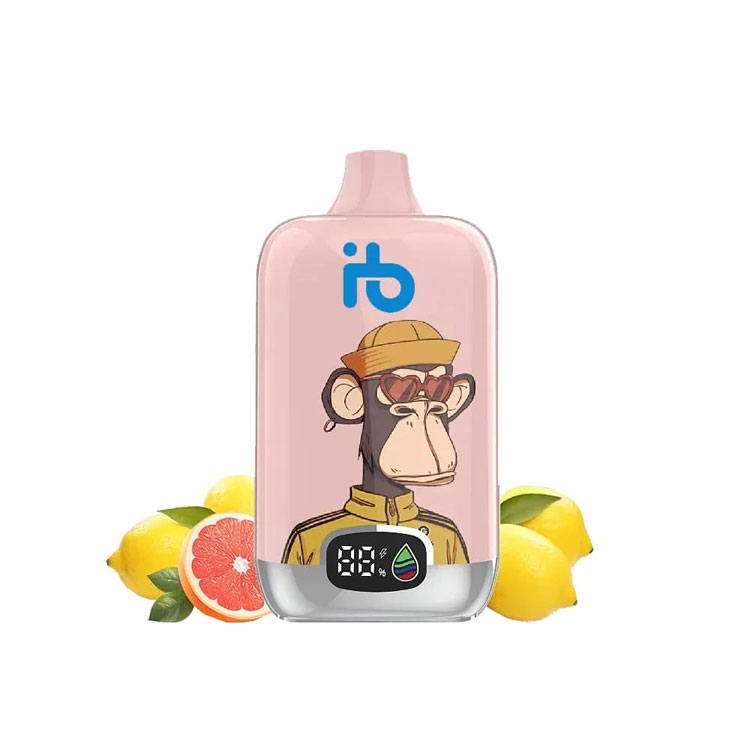
Electronic cigarettes, often abbreviated as e-cigarettes, have sparked curiosity and debates globally. But what exactly is the meaning of e-cigarette? To put it simply, an e-cigarette is a device designed to vaporize liquid, commonly referred to as e-liquid or vape juice, offering a smoke-free alternative to conventional tobacco smoking.
Origin and Evolution of E-Cigarettes
The concept of e-cigarettes dates back to the 1960s, but the modern version was developed by a Chinese pharmacist named Hon Lik in the early 2000s. His invention aimed at providing a healthier option for smokers seeking to quit or reduce health risks.
Core Components of an E-Cigarette
Understanding the components of an e-cigarette can enhance our grasp of their meaning . Typically, an e-cigarette comprises a battery, a tank or cartridge, an atomizer, and sometimes a microchip for advanced functions. The battery powers the atomizer, which heats the e-liquid in the tank or cartridge, producing vapor.
Types of E-Liquids
E-liquids come in diverse flavors and nicotine strengths. Some e-liquids contain nicotine derived from tobacco, while nicotine-free versions cater to non-smokers. The base of any e-liquid is typically made of propylene glycol (PG) and vegetable glycerin (VG), influencing the vapor’s density and flavor.
How E-Cigarettes Work
At its core, the functionality of an e-cigarette involves a process called vaporization. Upon activating the device, the battery heats the atomizer coil, triggering the liquid’s conversion into vapor. This vapor is then inhaled, mimicking the sensation of smoking without combustion or smoke inhalation.
Benefits and Drawbacks
The primary benefit of e-cigarettes lies in their potential to reduce health risks associated with traditional smoking. Users can control nicotine intake more efficiently, with many opting to gradually decrease nicotine levels. Meanwhile, opponents highlight concerns about unregulated manufacturing practices and potential health effects from long-term use.
In some jurisdictions, e-cigarettes face stringent regulations to ensure user safety. Awareness around ingredients used in e-liquids is crucial as consumers seek safer options.
Market Trends and Consumer Habits
The global e-cigarette market has expanded exponentially, reflecting shifting consumer habits. Initially targeted at smokers intending to quit, e-cigarettes now attract a broader audience, including non-smokers intrigued by flavored vapor.
Marketing strategies often cater to younger demographics, leveraging social media platforms for promotion. Such trends emphasize the need for informed usage amidst rising popularity.
- What is the primary component in e-liquid?
- The core ingredients in e-liquid typically include propylene glycol and vegetable glycerin, which determine the consistency and flavor of the vapor.
- Do e-cigarettes help in quitting smoking?
- Many users reportedly use e-cigarettes as tools to reduce nicotine dependency gradually and eventually quit smoking, although results vary individually.
- Are all e-cigarettes safe to use?
- While considered safer than conventional cigarettes, the safety of e-cigarettes largely depends on the manufacturing standards and ingredients used.