In recent years, e-cigarettes have become a popular alternative to traditional tobacco products, primarily due to their perceived safety and the increasing availability of various flavors. However, the rise of e-cigarette usage has led to concerns regarding potential dependency. To quantify this, researchers have developed the e-cigarette dependence scale, a tool designed to assess the level of dependence individuals have on electronic cigarettes. In this article, we will delve into the mechanics of this scale, its implications, and why understanding it is crucial for users and healthcare providers alike.
What Is the E-Cigarette Dependence Scale?
The e-cigarette dependence scale is a questionnaire-based assessment tool that evaluates an individual’s reliance on e-cigarettes. This tool is vital for identifying how e-cigarette use might affect a person’s daily life and overall health. Typically, the scale examines factors such as frequency of use, the urgency of the need to vape, and behaviors associated with vaping in specific circumstances.
Key Components of the Scale
- Frequency of Use: How often an individual vapes throughout the day can be an initial indicator of dependence.
- Psychological Dependence:
 This part of the scale assesses the psychological urge to use e-cigarettes, even when they are not physically needed.
 - Nicotine Tolerance: Over time, users may find they require increasingly higher doses of nicotine to achieve the same satisfaction, indicating rising tolerance levels.
- Withdrawal Symptoms: The presence of withdrawal symptoms when not using e-cigarettes can highlight dependence.
These components help paint a comprehensive picture of how e-cigarette usage might be encroaching on a person’s daily functioning and well-being.
Implications of Dependence
Dependence on e-cigarettes can have several implications. For one, it can be a gateway back to smoking traditional tobacco products, especially if users begin to find e-cigarettes less satisfying over time. Moreover, long-term health effects of e-cigarettes are not yet fully understood, making dependence more concerning. Notably, dependence can lead to increased financial costs and potential health risks due to the unknown chemicals
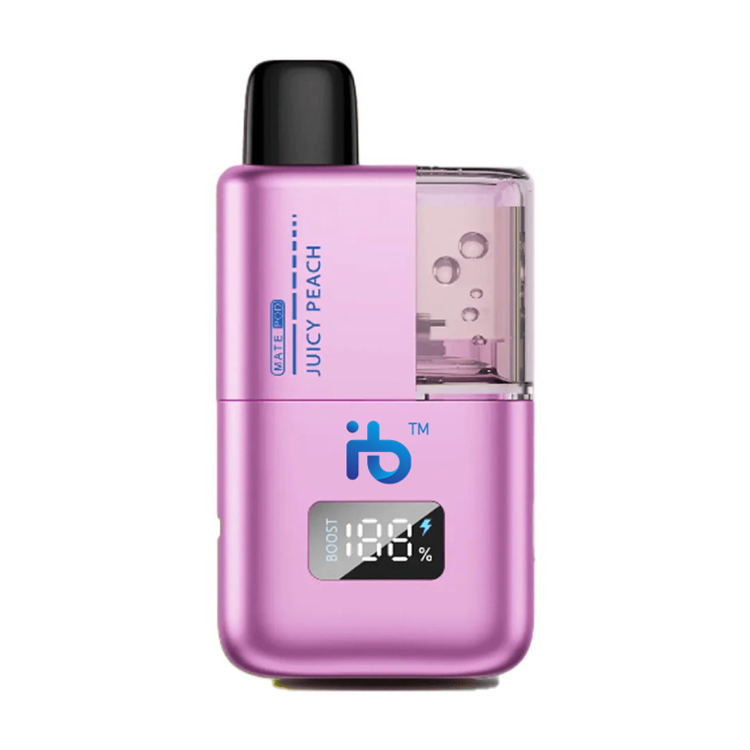 in e-liquids.
The Role of Healthcare Providers
Healthcare providers play a crucial role in addressing e-cigarette dependence. By understanding and utilizing the e-cigarette dependence scale, they can better diagnose and develop tailored cessation programs. This includes offering behavioral therapies, support systems, and educational resources that emphasize the risks and help individuals reduce their reliance on vaping devices.
Developing a Personalized Plan
Each individual’s journey towards reducing or quitting e-cigarette use is unique. Using results from the scale, healthcare providers can develop personalized treatment plans. These plans might involve a combination of psychological support, medication, and continuous monitoring, ensuring that the person successfully reduces and ultimately ceases dependency.
FAQs
What should I do if I think I’m dependent on e-cigarettes? It is advisable to consult a healthcare provider who can assess your situation using the e-cigarette dependence scale and suggest possible treatment options.
Are e-cigarettes less harmful than traditional cigarettes? While e-cigarettes are often marketed as a less harmful alternative, they are not entirely without risk. Long-term effects are still under study, and there is the potential for dependence or reverting to traditional tobacco use.
Can teenagers develop dependence on e-cigarettes? Yes, teenagers are particularly vulnerable to e-cigarette dependence due to their developing brains and the appeal of flavored products, making early intervention and education crucial.