The increasing popularity of e-cigarettes, commonly referred to as “vapes,” has brought about a spectrum of legal challenges and discussions worldwide. One region that has notoriously strict regulations surrounding these devices is Thailand. For anyone considering the use of e-cigarettes in Thailand, understanding the legal landscape is not only vital for compliance but also for staying on the right side of the law. Thailand’s e-cigarette regulations are essential to comprehend due to their stringent nature and potential penalties for violations. In this article, we’ll delve into the key aspects of the legality of e-cigarettes in Thailand and what you need to know before bringing a vape into the country.
Background and Current Legislation
The ban on e-cigarettes in Thailand began to take shape in 2014, with the Thai government looking to regulate the increasing use of vaping products. By 2015, Thailand had enacted laws making it illegal to import, export, sell, and even possess vaping devices and their respective e-liquids. These laws have positioned Thailand as one of the most restricted countries concerning e-cigarette use, a contrast to many Western nations where vaping is often considered a safer alternative to traditional smoking. The Thai Customs Act empowers officials to confiscate and impose fines on prohibited items, a category inclusive of e-cigarettes.
What Are the Risks?
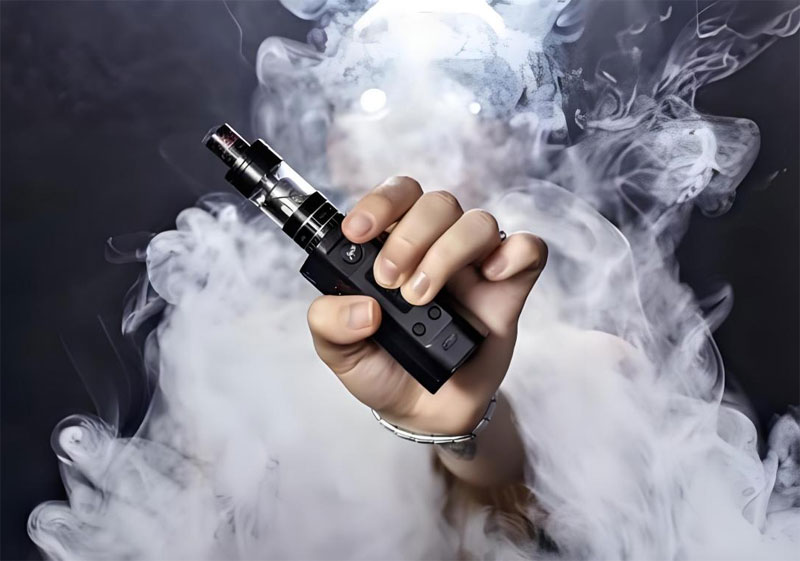
Visitors to Thailand must remain updated on laws surrounding e-cigarettes. Being caught with a vape could result in severe fines, expensive bail, or even imprisonment. The fear of penalties is pronounced among tourists, especially those unfamiliar with the stringent laws—laws often not found in many countries where vaping is a casual activity. The potential consequences are not solely financial but also judicial, with possible incarceration weighing heavily on the minds of unsuspecting visitors.
- Confiscation of the device
- Fines exceeding hundreds of thousands of baht
- Possibility of facing jail time

Due to the severity of these penalties, travelers are strongly advised against bringing vaping equipment into Thailand.
Why the Strict Stance?
The Thai government’s strict stance is rooted in health concerns and a commitment to reducing tobacco consumption within its borders. The Ministry of Public Health highlights the potential health risks associated with e-cigarettes, despite ongoing global debates about their safety relative to traditional cigarettes. Health and safety aside, another reason is the desire to curb any loopholes that could be exploited for smoking traditional tobacco products, which remain heavily taxed and regulated in Thailand.
The government perceives e-cigarettes as a potential gateway for youth and non-smokers, hence the rigorous controls.
Comparative Analysis: E-Cigarettes vs. Traditional Smoking
Globally, the dialogue around e-cigarettes often focuses on their role as a tool for smoking cessation. Many argue that e-cigarettes are less harmful than conventional tobacco products. However, in Thailand, the focus remains on a philosophy of prevention—restricting all forms of smoking paraphernalia to deter non-smokers from starting and prolonging the habit. While other countries have taken the FDA’s approval of certain low-risk vaping products into account, Thailand remains unwavering in its overall ban.
For those accustomed to vaping in Western countries, understanding these cultural and legal differences is critical when visiting Thailand.
Frequently Asked Questions:
Q1: Is it possible to buy e-cigarettes legally in Thailand?
No. E-cigarettes are banned in Thailand, making it illegal to buy or sell them within the country.
Q2: Are there any exceptions to the e-cigarette ban in Thailand?
Currently, there are no known exceptions or permits available for importing or using e-cigarettes in Thailand, regardless of the user’s country of origin.
Q3: Can I bring my own vape for personal use?
In summary, the e-cigarette laws in Thailand are among the toughest in the world, driven by public health policies and a conservative approach to smoking prevention. Travelers should exercise caution and respect the local legislation, which reflects a broader commitment to minimizing tobacco-associated health risks.