With the increasing popularity of e-cigarettes, many are curious about how these devices function and their effects. To start, an electronic cigarette is a device designed as an alternative to traditional smoking but without the combustion process. It operates using a battery, an atomizer, and a cartridge or tank containing a liquid solution, commonly referred to as e-liquid or vape juice.
The core component of an e-cigarette is its atomizer, a small heating element that vaporizes the e-liquid. When you inhale, a sensor is triggered, activating the battery to heat the atomizer. This process transforms the e-liquid into a mist or vapor that is inhaled, providing the user with a sensation similar to smoking. The e-liquid is typically composed of propylene glycol, vegetable glycerin, flavorings, and nicotine, although nicotine-free versions are available.
Components of E-Cigarettes
- Battery: Powers the device; can be either built-in or replaceable.
- Atomizer:
 Heats the e-liquid to create vapor.
 - Cartridge/Tank: Holds the e-liquid; varies in capacity and design.
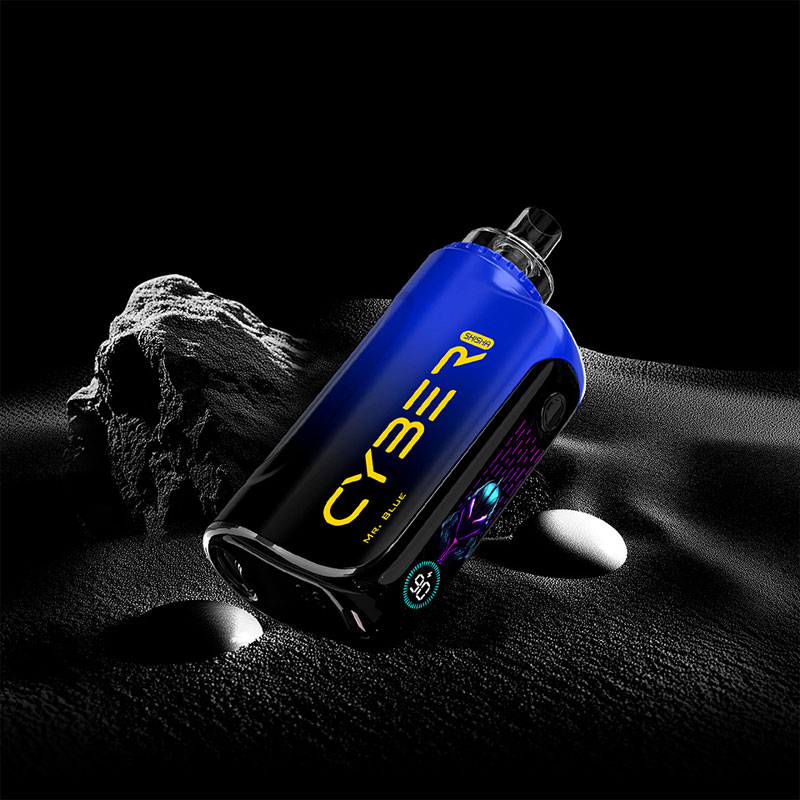
Another important part of an e-cigarette’s functionality is its safety features. Most modern devices come equipped with safeguards such as overcharge protection and auto shut-off. These features help prevent malfunction and ensure user safety. Moreover, some devices offer options to adjust the wattage and temperature, allowing users to customize their vaping experience.
Health Implications and Public Perception
While e-cigarettes are often marketed as a healthier alternative to traditional smoking, their long-term impact on health is still under research. They do not contain tar and many of the harmful chemicals found in combustible tobacco, but concerns remain regarding their effects on the respiratory system.
In terms of public perception, e-cigarettes have sparked debate. Some view them as a beneficial tool for smoking cessation, while others are concerned about potential health risks and the appeal they may have to non-smokers, particularly the youth.
Vaping Communities and Culture
Alongside the rise of e-cigarettes, vaping communities have emerged. Enthusiasts share experiences, recipes for DIY e-liquids, and technical modifications to enhance device performance. This culture is visible through forums, social media groups, and conventions dedicated to vaping.
Despite the enthusiasm, regulatory bodies remain cautious. Vaping regulations vary worldwide, with some countries imposing strict advertising bans and sales restrictions, particularly on products containing nicotine.
For those considering e-cigarettes, it’s important to stay informed about new research, regulations, and potential health effects. Consulting healthcare professionals for guidance is advisable, especially for individuals with preexisting health conditions.
FAQs About E-Cigarettes
- Are e-cigarettes safer than traditional cigarettes?
- While they are likely less harmful than traditional cigarettes, e-cigarettes are not without risks, especially concerning nicotine addiction and long-term health impacts.
- Can e-cigarettes be used to quit smoking?
- Some people successfully use e-cigarettes to reduce or quit smoking; however, they are not approved as smoking cessation devices, and results can vary.
- Do e-cigarettes produce secondhand smoke?
- No, e-cigarettes produce vapor, not smoke. However, the vapor can contain harmful substances, making it a concern for bystanders.